Budget-Friendly Hot Dog Dinners for the Whole Family


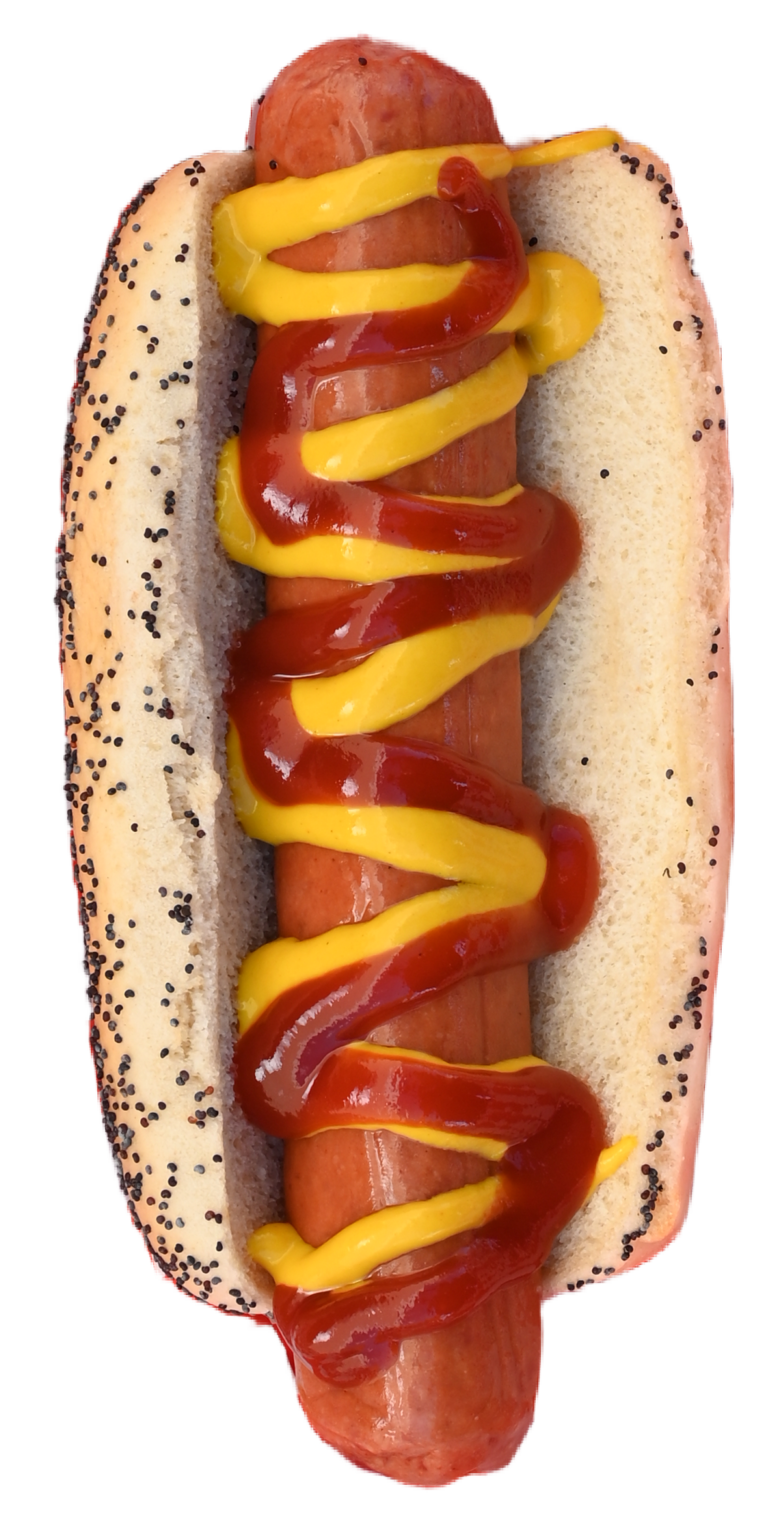
Stretching a grocery budget without serving the same tired meals week after week takes a little planning and a fair amount of flexibility. Few ingredients help more than the humble hot dog. It cooks quickly, appeals to kids, and works in everything from skillet suppers to baked casseroles. Better yet, it can play either the starring role or a supporting one, which matters when you are feeding several people and trying to keep the total cost of dinner under control.
Hot dogs do not need much defending in a practical home kitchen. They are not luxury food, and they are not pretending to be. They are useful. On busy nights, that counts for a lot. A package from the refrigerator can become a full dinner in under 30 minutes, especially when paired with pantry staples like rice, pasta, beans, potatoes, or bread. If you are thoughtful about portions and add a few vegetables or sides with substance, a modest amount of hot dog can feed a family surprisingly well.
What makes these meals work is balance. A dinner built around hot dogs should not feel like a concession. It should feel complete, filling, and worth repeating. That usually means combining the savory, salty richness of the hot dog with something starchy, something fresh or tangy, and a cooking method that gives the meal a little texture. Browning matters. So does seasoning the rest of the dish, because plain hot dogs dropped into plain noodles rarely impress anyone.
Why hot dogs are such strong budget players
A package of hot dogs often costs less than many other proteins, especially beef cuts, boneless chicken, or even some deli meats. Prices vary by brand and region, but in many stores, one package can anchor a dinner for four if it is used strategically rather than piled high on separate buns. That distinction is important. A classic hot dog on a bun for each person can feel sparse, and if everyone wants two, the bargain starts to fade. But slice those same hot dogs into fried rice, baked beans, mac and cheese, or roasted potatoes, and the value improves immediately.
There is also almost no waste. Hot dogs are pre-cooked, easy to portion, and forgiving if dinner gets delayed by 15 minutes because homework ran long or someone needed a ride across town. They freeze well enough for practical use, and they are easy to keep on hand for the nights when the refrigerator looks bare. Most families have had that moment around 5:30 when there is not quite enough chicken, no one wants eggs again, and takeout is tempting. This is where hot dogs earn their keep.
Another point in their favor is predictability. Children who reject unfamiliar casseroles often accept hot dogs without complaint. Adults can dress them up with stronger flavors, sharper mustard, sautéed onions, pickled peppers, or chili. One ingredient can satisfy different appetites with very little extra labor.
The real key is using them as an ingredient, not just a main
When people say they are tired of hot dog dinners, what they usually mean is they are tired of the same hot dog dinner. The path out of that rut is to stop thinking only in terms of bun, dog, condiment. Instead, treat hot dogs like you would sausage in a frugal weeknight kitchen. Slice them into coins, brown them in a skillet, let them season a pot of beans, or bake them into a casserole where their flavor reaches everything around them.
That approach also solves the nutrition and satiety issue. A meal built around a single hot dog and a white bun can leave everyone poking around for snacks an hour later. Pair that same amount of meat with potatoes, cabbage, onions, and a spoonful of mustard, and now you have something far more substantial. The goal is not to hide the hot dog. It is to let it do more work.
I have found that one of the most practical ratios for family meals is about one and a half to two hot dogs per adult if they are mixed into a larger dish, and one per younger child, depending on age and appetite. That usually gives enough flavor without turning dinner into an all-meat affair. If your household includes teenagers, especially athletic ones, build the bulk from rice, potatoes, bread, beans, or pasta, because the protein alone will never be the cheapest path to a filling meal.
Smart buying, without overthinking it
There is no need to buy the most expensive package for a budget dinner, but there is a noticeable difference between brands in flavor, texture, and saltiness. If your family already has a favorite, it is often worth buying that one when it is on sale rather than switching constantly and dealing with complaints. Store brands can be excellent in cooked dishes, particularly when sliced and browned with onions or folded into casseroles.
Watch the package size. Some brands quietly reduce the count or ounces, which can throw off your dinner planning if you assume all packs are equal. Buns can be the worse bargain, especially when the package count does not match the hot dogs. Unless you specifically want classic hot dogs, sandwich bread, toast, tortillas, baked potatoes, or rice often stretch farther and cost less.
This is also one of those ingredients where leftovers can be worked into lunch with almost no effort. Extra sliced hot dogs from dinner can go into scrambled eggs the next morning, into a thermos of beans and rice, or onto a simple pizza made from naan or flatbread. That kind of second use helps justify buying a larger family pack when the price is right.
A few pantry partners that make hot dog dinners better
You do not need a specialty shopping trip to turn hot dogs into a family meal. The best supporting ingredients are the ones many households already keep around.
Beans are especially effective because they add protein, fiber, and bulk while softening the saltiness of the meat. White beans, pinto beans, kidney beans, and even canned baked beans all work. Potatoes do similar work from the starch side. They roast well, absorb flavor, and make a little meat go a long way. Pasta is another natural fit, particularly in creamy or tomato-based skillet dishes where the browned edges of the hot dog add contrast.
Cabbage deserves more credit than it gets. It is inexpensive, lasts a long time in the refrigerator, and turns sweet when sautéed. A pan of onions, cabbage, and sliced hot dogs with mustard or vinegar tastes far better than its cost suggests. Rice, whether plain, seasoned, or turned into fried rice, can anchor dinner when the budget is very tight. Eggs are also useful. Chopped hot dog and egg fried rice is not glamorous, but it is fast, kid-friendly, and usually disappears.
Five dinners that consistently work
The strongest budget meals are the ones people ask for again, because repeatability saves money. These are the hot dog dinners that tend to satisfy both cost and appetite.
-
Skillet hot dogs with potatoes and onions. Slice the hot dogs, brown them well, then cook them with diced potatoes and onions until the potatoes crisp at the edges. A little paprika, black pepper, and mustard bring the whole pan together.
-
Baked bean and hot dog casserole. Mix sliced hot dogs with canned baked beans, a little ketchup or barbecue sauce if needed, and top with toasted bread crumbs or biscuit dough. It is hearty, cheap, and especially good on cooler nights.
-
Creamy stovetop macaroni with hot dog coins and peas. This is a practical version of mac and cheese that uses fewer hot dogs than a bun meal but feels more substantial. The peas cut the richness and add color.
-
Cabbage and hot dog skillet. Sauté onion first, then cabbage, then add browned hot dogs and finish with a splash of vinegar or a spoon of mustard. Serve with bread or boiled potatoes.
-
Hot dog fried rice. Use leftover rice, scrambled egg, frozen vegetables, and sliced hot dog. Fry everything over fairly high heat so you get some browning rather than a soft, steamed texture.
These are not restaurant dishes, and they do not need to be. They are efficient, reliable family dinners with enough flavor and familiarity to earn a place in a regular rotation.
Getting more mileage out of a skillet dinner
If there is one method that consistently improves hot dog dinners, it is browning. A hot dog dropped into a pot at the last minute tastes fine. A hot dog seared until the edges curl and darken tastes intentional. That browned exterior adds a little smokiness and a firmer bite, which keeps the dish from feeling flat.
Take the potato skillet, for example. Start with a heavy pan and enough oil to help the potatoes crisp rather than stick. If you have time, parcook the potatoes first, either by microwaving them for a few minutes or by using leftover boiled potatoes from another meal. Then cook onions until they soften and begin to color. Add sliced hot dogs only when the pan is hot enough to give them some sear. Finish with mustard, chopped parsley if you have it, or even a spoonful of pickle relish. Those small additions can make a very cheap meal taste complete.
The same principle works with cabbage. Cabbage needs more time than most people think. If you rush it, it tastes watery. If you let it soften, pick up a little color, and absorb the rendered fat and seasoning in the pan, it becomes sweet and satisfying. This is one of those dishes where a splash of vinegar at the end matters. It wakes everything up and keeps the meal from tasting heavy.
Feeding bigger appetites without doubling the cost
One challenge in budget cooking is making dinner feel abundant. Kids grow. Adults come home hungry. A package of hot dogs alone will not solve that. The answer is usually not buying a second package. It is building in low-cost volume.
A tray bake is one of the easiest ways to do it. Spread chopped potatoes, carrots, onions, and maybe a little cabbage on a sheet pan, season them well, roast until nearly tender, then add whole or sliced hot dogs for the last stretch so they brown without drying out. The vegetables become the bulk of the meal, and the hot dog acts as seasoning and protein. A little mustard mixed with oil and brushed over the pan adds a lot for pennies.
Soup is another excellent extender, though it requires a careful hand with salt. Hot dogs already bring plenty. A bean soup with hot dog slices, onion, celery, tomato, and a bay leaf can feed a crowd, especially with bread. I would not use a delicate broth here. Go for something robust and rustic, closer to a thick soup or stew than a clear stock. If you have leftover mashed potatoes, a scoop stirred into soup can add body without anyone noticing.
Bread-based meals also stretch well. Instead of individual buns, try chopped hot dogs folded into biscuit dough or spooned over thick toast with baked beans and shredded cheese. That shifts the meal from snack territory to dinner territory.
The case for casseroles and baked dishes
There is a reason casseroles endure in family cooking. They are forgiving, filling, and easy to scale. Hot dogs fit naturally into them because they hold their shape and flavor well in the oven. They also appeal to eaters who might resist a soup or a vegetable-heavy skillet.
A practical baked pasta can start with onions, a simple tomato sauce, and sliced hot dogs. Add cooked pasta, a little shredded cheese, and frozen vegetables if you want them. Bake just until bubbly. This is the kind of dinner where no one ingredient is expensive, yet the pan comes out looking generous. If cheese is costly in your area, use less than recipes often call for. A modest amount on top gives the impression of richness without pushing the total over budget.
Cornbread-topped hot dog and bean bakes are another strong option. The base can be as simple as canned beans, sautéed onion, hot dog slices, and a little sauce. Spoon cornbread batter over the top and bake until golden. It feels more like a full meal than hot dogs on buns, and it reheats well the next day.
These dishes also travel well to potlucks or busy evenings when family members eat in shifts. That matters more than people sometimes admit. A dinner that still tastes decent an hour later is often more useful than one that is only good the second it leaves the stove.
When kids are picky and adults want something better
One advantage of hot dog dinners is that they are easy to adapt at the finish rather than by cooking two separate meals. Make the same base and season portions differently. In a fried rice, for instance, children might prefer a mild version with soy sauce and peas. Adults can top theirs with chili crisp, scallions, or a sharper sauce. In a potato skillet, set aside some before adding mustard or vinegar if the younger eaters object.
Texture also matters. Some children like whole hot dogs but dislike sliced ones in a mixed dish. Others prefer coins because they are easier to eat. There is no culinary principle at stake here. Use the cut that gets dinner eaten. If someone strongly objects to cabbage, serve the hot dog skillet over buttered noodles instead. Budget cooking works best when it is practical rather than rigid.
At the same time, adults do not need to settle for blandness. Simple upgrades make a noticeable difference. Caramelized onions, sauerkraut, pickles, celery seed, smoked paprika, cheddar, or a spoon of brown mustard can push a basic meal into something much more satisfying. You are not trying to disguise the ingredient. You are making the most of it.
A realistic weeknight approach
The biggest mistake people make with budget dinners is treating them as a separate category of cooking that requires unusual effort. The best cheap meals fit into ordinary life. They use what is already there. They do not leave a sink full of pans. They can survive interruptions.
That is one reason hot dog dinners remain useful. You can start with a rough plan and adjust. If there are only three potatoes left, add beans. If the cabbage is gone, use frozen peas or corn. If you need dinner on the table in 15 minutes, slice the hot dogs into instant ramen with an egg and some vegetables, then call it what it is, a https://lorenzowigj067.clearminster.com/posts/how-to-host-an-unforgettable-hot-dog-cookout fast, filling meal on a packed night. Not every dinner needs a story.
Still, a little structure helps. Keep one or two reliable combinations in mind so you are not reinventing dinner every time. Think of hot dogs plus potatoes, hot dogs plus beans, hot dogs plus pasta, hot dogs plus rice. From there, use the vegetables and sauces you have. Once you start cooking that way, the ingredient stops feeling limited.
Practical habits that keep the cost down
Small kitchen habits often save more money than chasing a perfect recipe. With hot dog dinners, a few are especially useful.
If you see a good sale, buy enough for a couple of weeks and freeze what you will not use quickly. Brown extra onions whenever you have a chance, because they improve nearly every hot dog meal and cut down on weeknight prep. Keep one flexible starch in the pantry that can become dinner fast, whether that is rice, pasta, or potatoes. And do not underestimate condiments. Mustard, relish, vinegar, ketchup, barbecue sauce, and soy sauce can steer the same ingredient in very different directions.
Here are the habits that make the biggest difference in a busy family kitchen:
- Brown the hot dogs instead of merely warming them.
- Pair them with a filling starch and at least one vegetable.
- Season the whole dish, not just the meat.
- Use leftovers on purpose, preferably within a day or two.
- Save buns for the nights when you truly want classic hot dogs.
That last point is worth stressing. There is nothing wrong with hot dogs on buns, especially on a grilling night or when speed matters more than variety. But if your goal is economy, buns are often the least efficient framework. The same package of hot dogs usually goes farther in a pan than in a row of buns.
Making a modest ingredient feel generous
Family dinners do not need expensive ingredients to feel warm or satisfying. They need good judgment. They need enough food on the table, enough flavor to keep people interested, and enough flexibility to work with what is already in the house. Hot dogs, used well, can meet all three.
The trick is not to ask them to do a job they cannot do. They are not a roast. They are not a centerpiece meant to impress. They are a dependable, adaptable ingredient that rewards practical cooking. Brown them well, surround them with ingredients that add bulk and contrast, and season with intention. That is how a cheap package turns into a real dinner.
Once you start treating hot dogs this way, they stop being a fallback and become a useful part of the weekly meal plan. On a tight grocery budget, that shift matters. It gives you another handful of dinners that are affordable, quick, and genuinely welcome at the table. For many families, that is not just convenient. It is the difference between scrambling at six o’clock and sitting down to a meal that feels settled, hearty, and enough.
Under Construction Hot Dogs
1225 W U.S. Hwy 50, Pueblo, CO 81008
FAQ About hot dog
What are different types of hotdogs?
Under Construction Hot Dogs offers a classic all-beef hot dog, a quarter-pound Jumbo Dog, a Chili Dog, and a Chicago Dog, along with brats and a Spicy Link.
What does a chili dog have on it?
Our Chili Dog pairs a Vienna all-beef hot dog with chili, shredded cheddar cheese, and finely diced onions.
What is in a traditional Chicago dog?
Our Chicago Dog comes on a steamed poppy seed bun with yellow mustard, bright green relish, onions, tomato wedges, a pickle spear, sport peppers, and celery salt.
Ends · MILOAGLF278